One of the most pressing issues for Kazakhstani manufacturers — cross-border trade — was at the center of attention at the international forum “Development of the Electronics and Digital Technologies Market in Central Asia and Adjacent Regions”, held as part of the II International Exhibition of Household Appliances and Electronics HomeTech & Electra 2025 in Almaty.
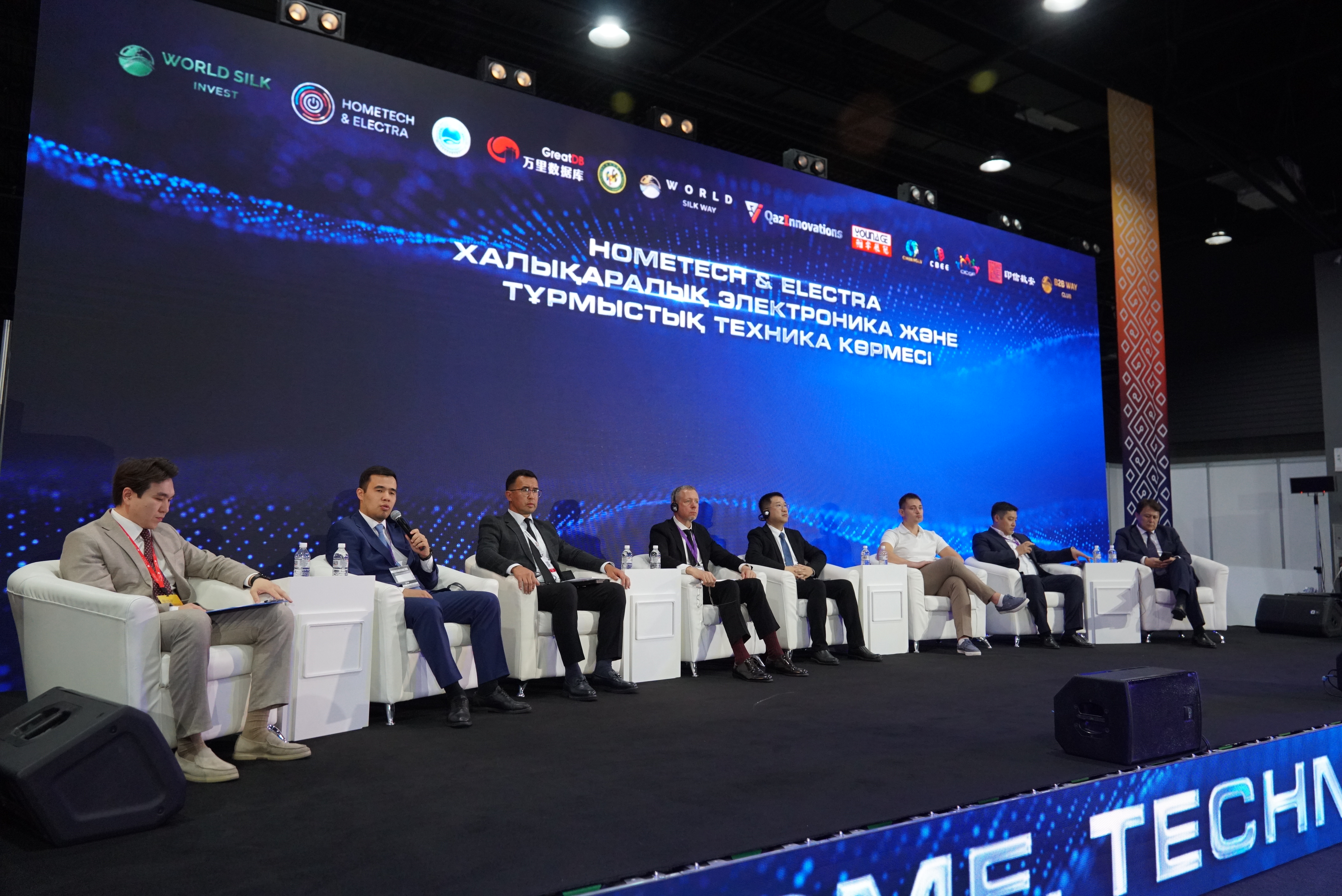
The session was opened by the moderator — Director of the Union of Industrial Investors of Kazakhstan Kairat Yelamanov.
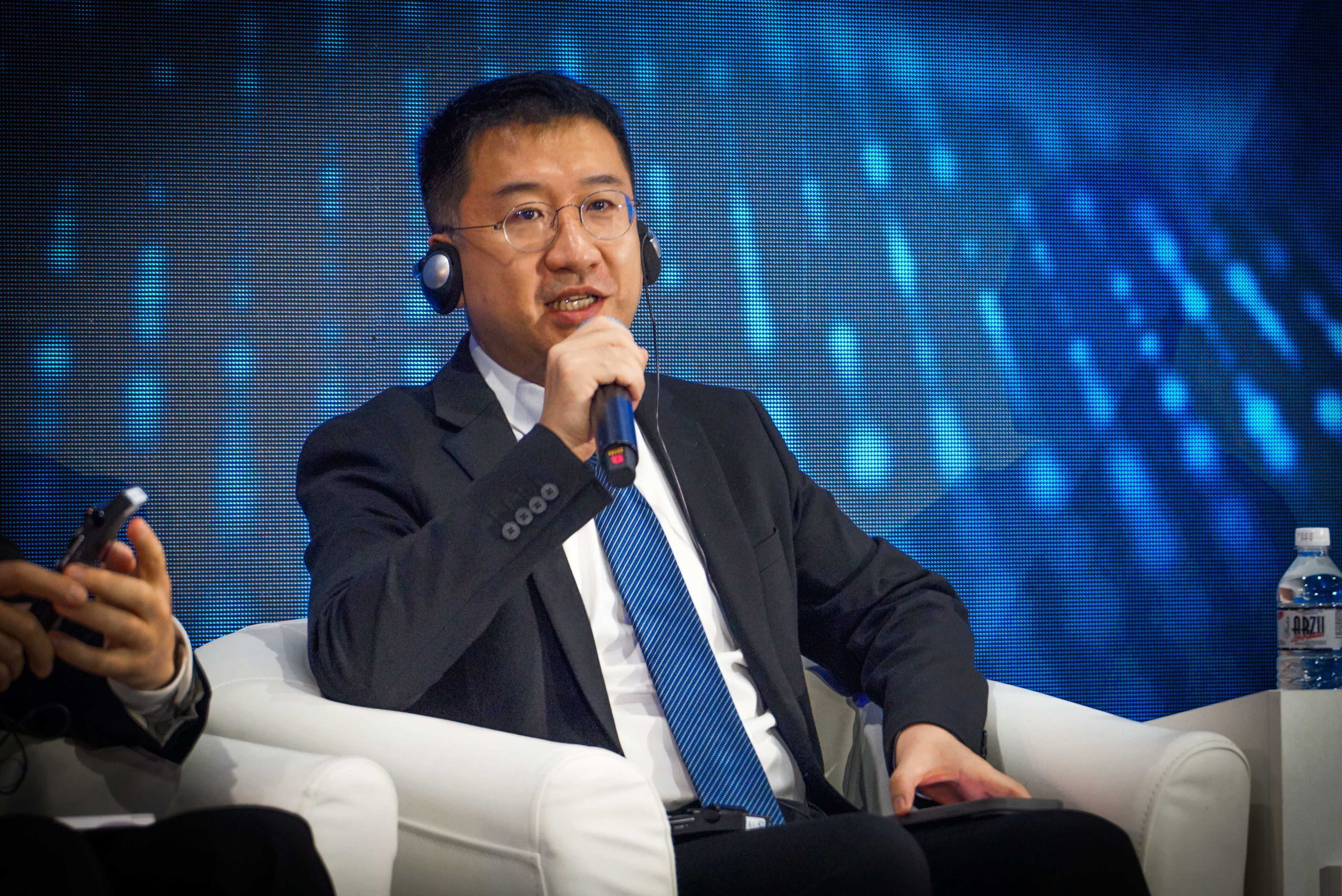
A Chinese forum participant, Deputy Director of the Ningbo Business Development Center Wu Yuke, noted that Ningbo is a key hub of the “Belt and Road” Initiative and home to the world’s largest port — Ningbo-Zhoushan.
“Taking advantage of its port’s unique strengths, Ningbo is fully committed to developing as a modern international port city, deeply integrating into the ‘Belt and Road’ strategy, and will soon enter a new era.
We are pleased to be in Almaty at the HomeTech & Electra 2025 exhibition and to participate in the forum. We sincerely hope that the 60 exhibitors, including manufacturers of household appliances and electronics, will use this opportunity for in-depth personal exchanges with colleagues, strengthening mutual understanding and cooperation for shared success,” noted Wu Yuke.
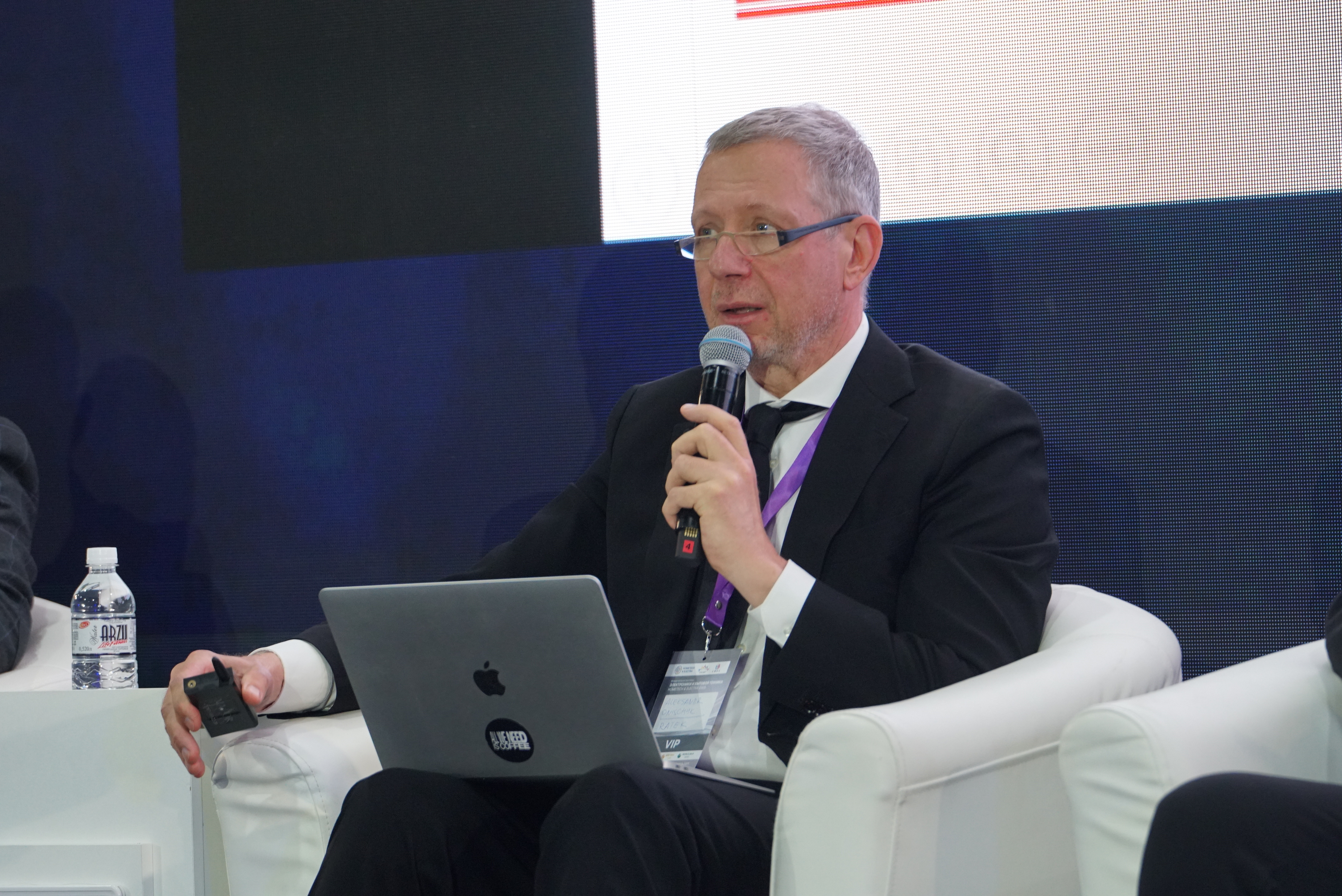
At the same time, President of the Association of Trading Companies and Manufacturers of Household Appliances and Computer Equipment (RATEK, Russia) Alexander Onishchuk reminded participants of national regulatory requirements within each country.
Despite Kazakhstan and Russia both being members of the EAEU, Russia has introduced strengthened national regulation. Supranational EAEU legislation governs tariff and non-tariff measures, technical regulations, customs duties, product traceability, and cross-border trade.
However, Russia also has its own national requirements, including product traceability, recycling responsibility, and mandatory pre-installation of domestic software on digital devices. All supplied products must comply with technical regulations and certification standards.
“Recently, the Russian Federation adopted a federal law regulating marketplaces, which defines how all participants operate — sellers, pick-up points, and others.
This includes copyright levies and simplified procedures introduced to prevent product shortages. Today, all goods are either traceable or will be traceable — through labeling and a unified regulatory framework across EAEU countries,” noted Onishchuk.
As a result, the share of premium brands in Russia has decreased, while mid-range brands and private labels have grown significantly.
“This creates strong opportunities for investment in contract manufacturing. If production capacity is available, partnerships with major retail chains are very likely,” he added.
He also highlighted opportunities for Kazakhstani software developers:
“Developers can be included in the list of mandatory pre-installed applications required for selling devices in Russia.
Currently, 19 applications must be pre-installed on smartphones and tablets, possibly including ‘messenger max’ from 2026. Computers require 3 applications, and smart TVs — 19.
This regulation supports domestic and Eurasian developers. Such масштаб mandatory pre-installation is unique globally and represents a real opportunity,” Onishchuk emphasized.
Timur Iskandarov, Representative of Bashkortostan at the Trade Representation of the Russian Federation in Kazakhstan, noted plans to establish representative offices of large enterprises to promote products and strengthen cooperation with Kazakhstani partners.
Director for Government Relations at Wildberries in Kazakhstan Kazbek Kuzhimov spoke about marketplace opportunities for cross-border trade:
“Operating in 10 countries, we help sellers enter foreign markets and make exports seamless, often taking on associated risks.
We are working to ensure faster sales both domestically and internationally,” he said.
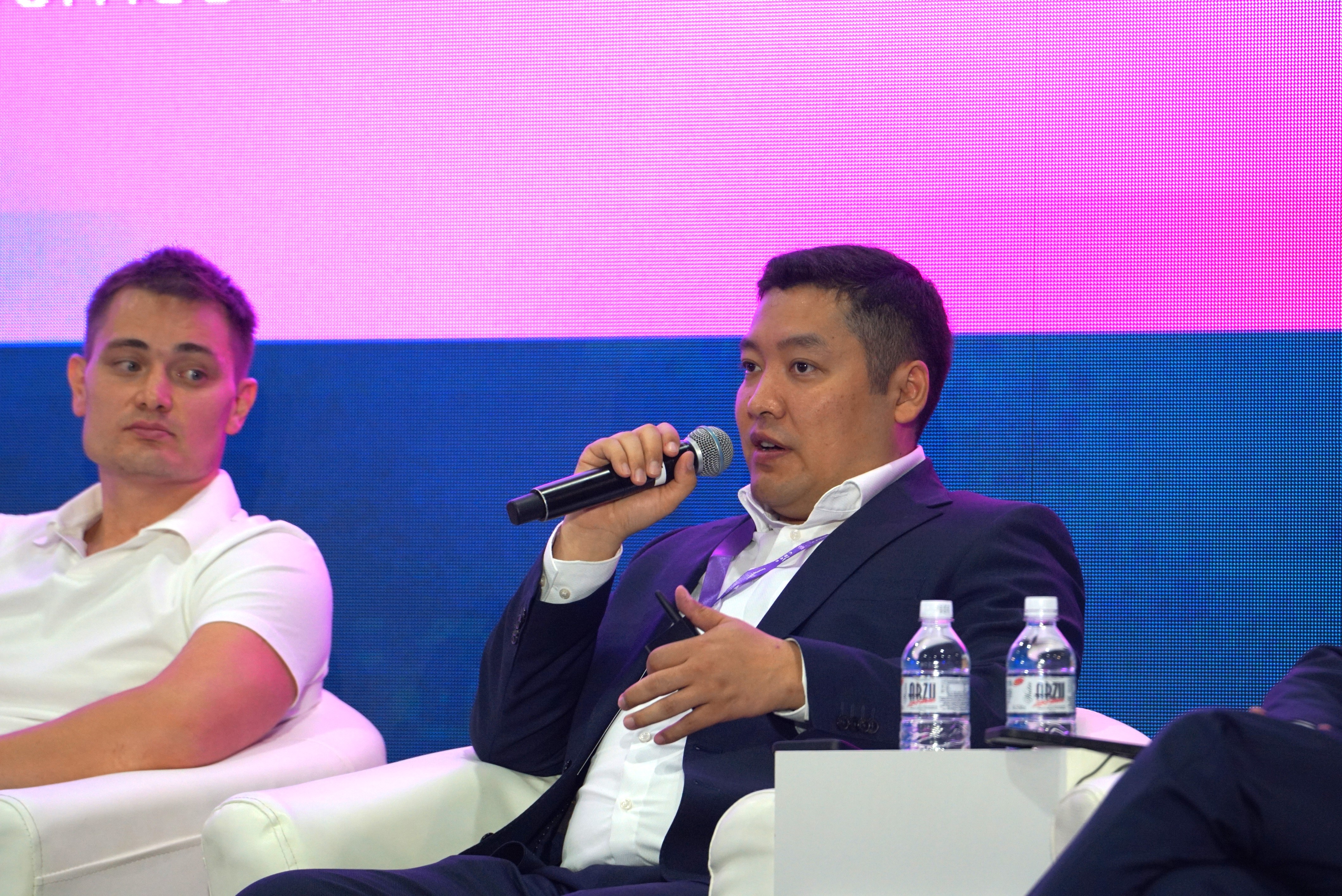
He also noted growing demand for electronics and home appliances through marketplaces, alongside traditional categories.
Regarding counterfeiting and smuggling, speakers emphasized the importance of mandatory product labeling within the EAEU, although implementation speeds vary across member states.
Recall that more than 300 companies from 10 countries participated in the HomeTech & Electra 2025 exhibition. The business program included delegations from ministries, trade missions, and international manufacturers and retailers.
The organizer of the exhibition, World Silk Way, expresses gratitude for support to:
Ministry of Industry and Construction of the Republic of Kazakhstan
Ministry of Trade and Integration of the Republic of Kazakhstan
Ministry of Digital Development, Innovations and Aerospace Industry of the Republic of Kazakhstan
Almaty City Administration (Akimat)
Almaty Region Administration (Akimat)
Entrepreneurship and Investment Department of Almaty City
Working Committee of the Digital Technologies Platform for SCO Countries
JSC “National Agency for Innovation Development “QazInnovations”
Samruk-Kazyna Fund
National Chamber of Entrepreneurs “Atameken”
PR Director of HomeTech & Electra 2025: Tatyana Sinenko +77714164251, pr@worldsilkway.com
When using the data of this release, it is mandatory to indicate the source: HomeTech & Electra International Exhibition.
When using photographs, it is necessary to indicate: HomeTech & Electra Press Service.
All exclusive rights to the Materials belong to the organizers of HomeTech & Electra — World Silk Way LLP.
All rights to photographs are protected by Kazakh and international copyright and related rights legislation.